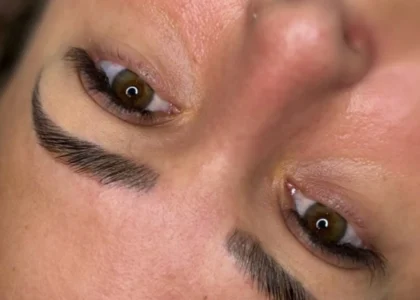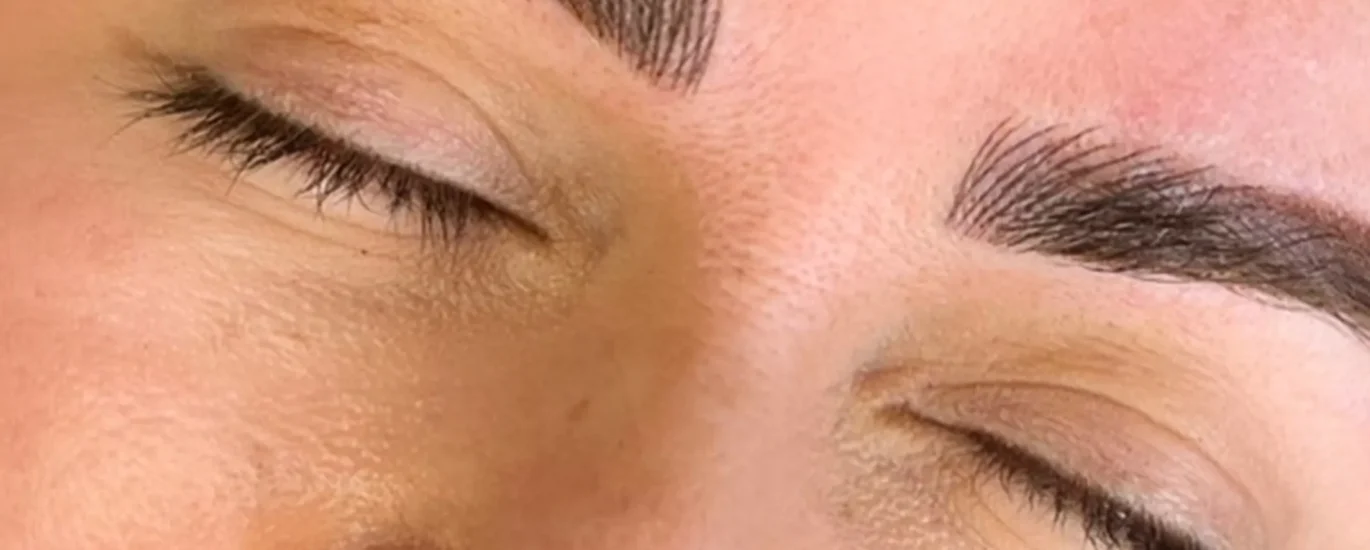
Ever looked at your brow tech mid-appointment and thought, “I could do this” — you’re not alone. Cosmetic tattooing has blown up in Australia, from brow microblading to lip blush and eyeliner enhancements. But is permanent makeup a good career long-term or just another beauty trend?
Here’s the honest, unfiltered breakdown from someone who’s built a cult-followed studio — Cosmetic Tattoo Melbourne Studio Face Figurati — trained dozens of artists and cleaned up a lot of botched brow work. Spoiler: it can be a great career — but only if you’re willing to put in the (literal and emotional) ink work.
The Cosmetic Tattoo Boom
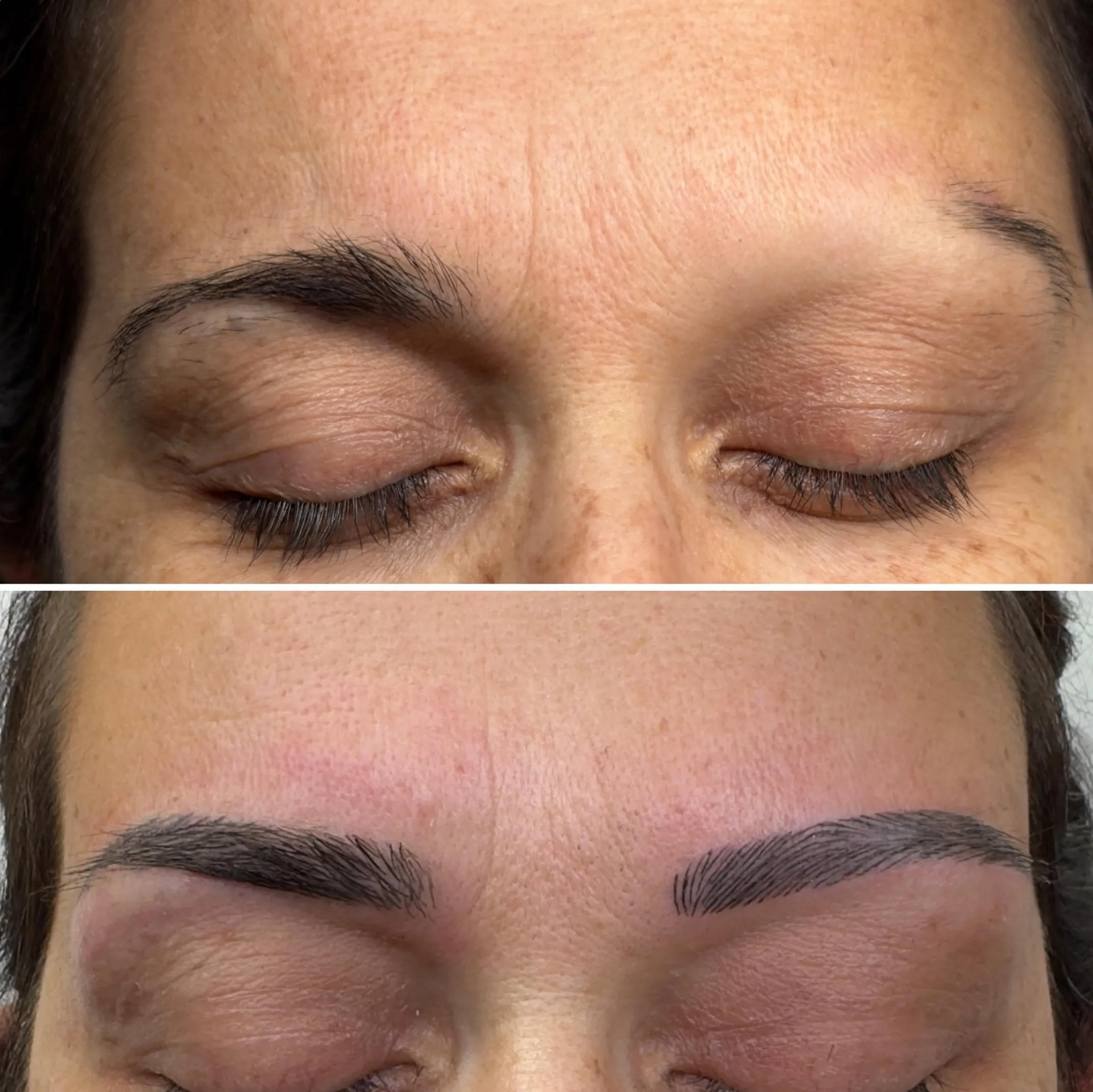
From flexible hours to creative freedom and solid income potential, permanent makeup is fast becoming one of the most in-demand paths in the beauty industry. Here’s what’s driving the growth:
Booming Demand (and Not Just in Big Cities)
In 2025, the Australian beauty services sector is expected to hit $8.5 billion, with cosmetic tattooing growing steadily due to longer-lasting results, new techniques and Gen Z and millennials wanting time-saving beauty fixes. Suburban and regional areas are seeing demand too — it’s not just a city game anymore. There’s constant demand from clients who want natural beauty enhancements they don’t need to reapply daily. From brow touch-ups to an eyeliner cosmetic tattoo, more clients are choosing convenience and confidence.
A Career with Creative AND Clinical Edge
This career isn’t just about creating beautiful brows or adding colour to lips. It combines artistic skills with technical skills, hygiene protocols, colour theory, facial mapping and deep skin knowledge. If you love design, symmetry and precision it’s a field that will keep you challenged and satisfied. The most successful cosmetic tattooists are those who blend creativity with clinical care.
Lower Entry Barriers than Other Professions
Unlike becoming a dermal therapist or registered nurse you don’t need a university degree. Many body artists start with a short accredited cosmetic tattoo course and continue with ongoing training or mentorship. But don’t mistake that for easy.
Real talk: those who treat it like a weekend hobby rarely last. Those who commit to proper education and mastering the basics? They build a successful career with a loyal client base.
PMU Pros vs. Amateurs
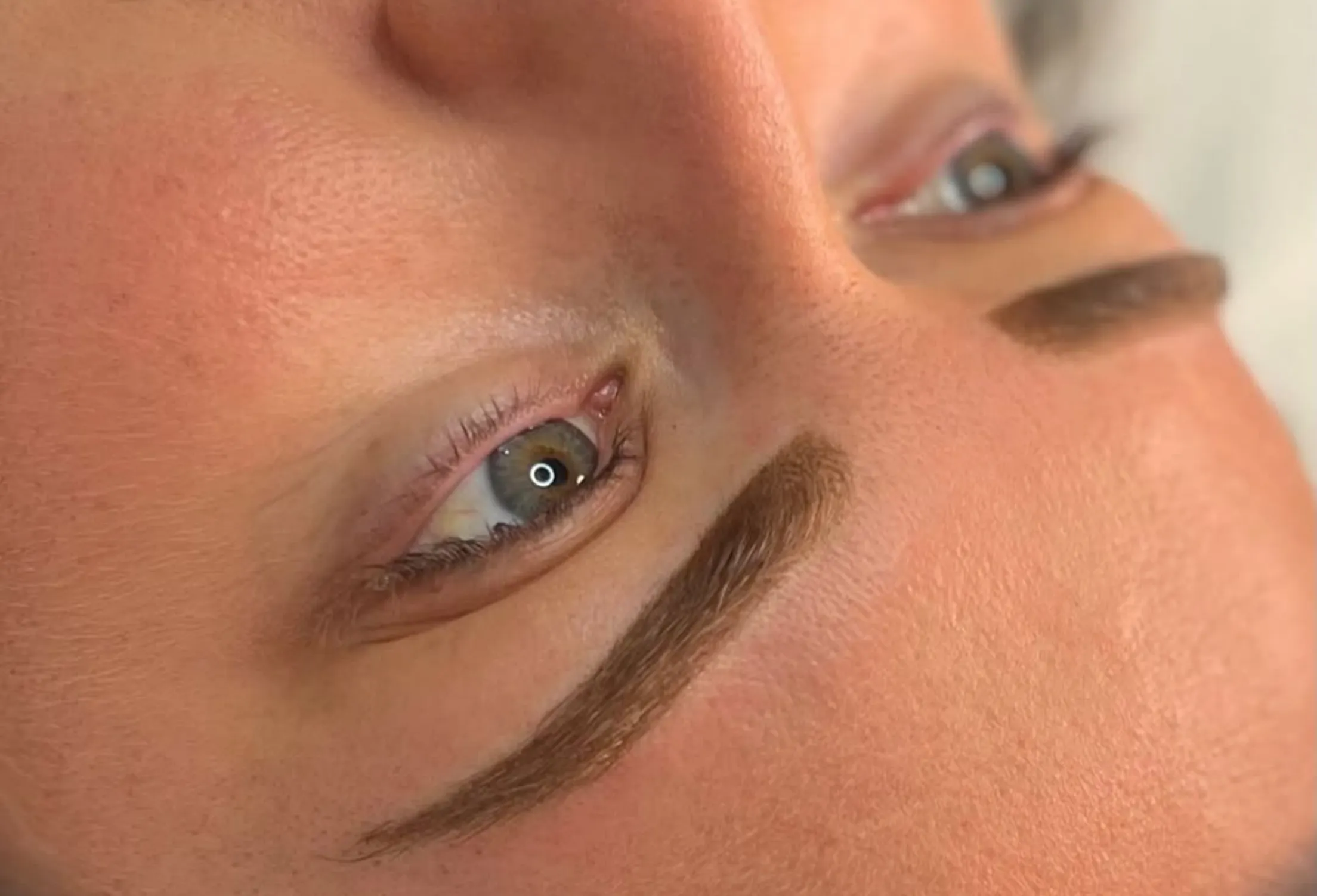
Not everyone who loves brows should be a microblading artist. Here’s what separates the long-term professionals from the dabblers:
Steady Hands, Sharp Eyes, and a Strong Stomach
If you get queasy at a tiny dot of blood or can’t focus for more than 10 minutes, this probably isn’t for you. PMU requires precision under pressure, especially during permanent makeup procedures like eyeliner tattooing or lip colour on darker skin tones where colour correction is key. Eyeliner cosmetic tattoo treatments in particular require next level focus and a light hand.
An Eye for Shape — Not Trends
You need to see bone structure, balance asymmetry and customise brows or lips that move with someone’s real face — not their filtered selfie. Clients trust you to enhance their features and deliver high quality results, not give them the same cookie cutter look that’s trending in beauty this month.
Confidence in Communication (and Boundaries)
You’re not just tattooing — you’re consulting, educating and sometimes managing client expectations when they bring in a photo of laminated Instagram brows on a completely different face shape. Active listening skills and clear communication are key skills you’ll use daily.
Training, Tools and Time
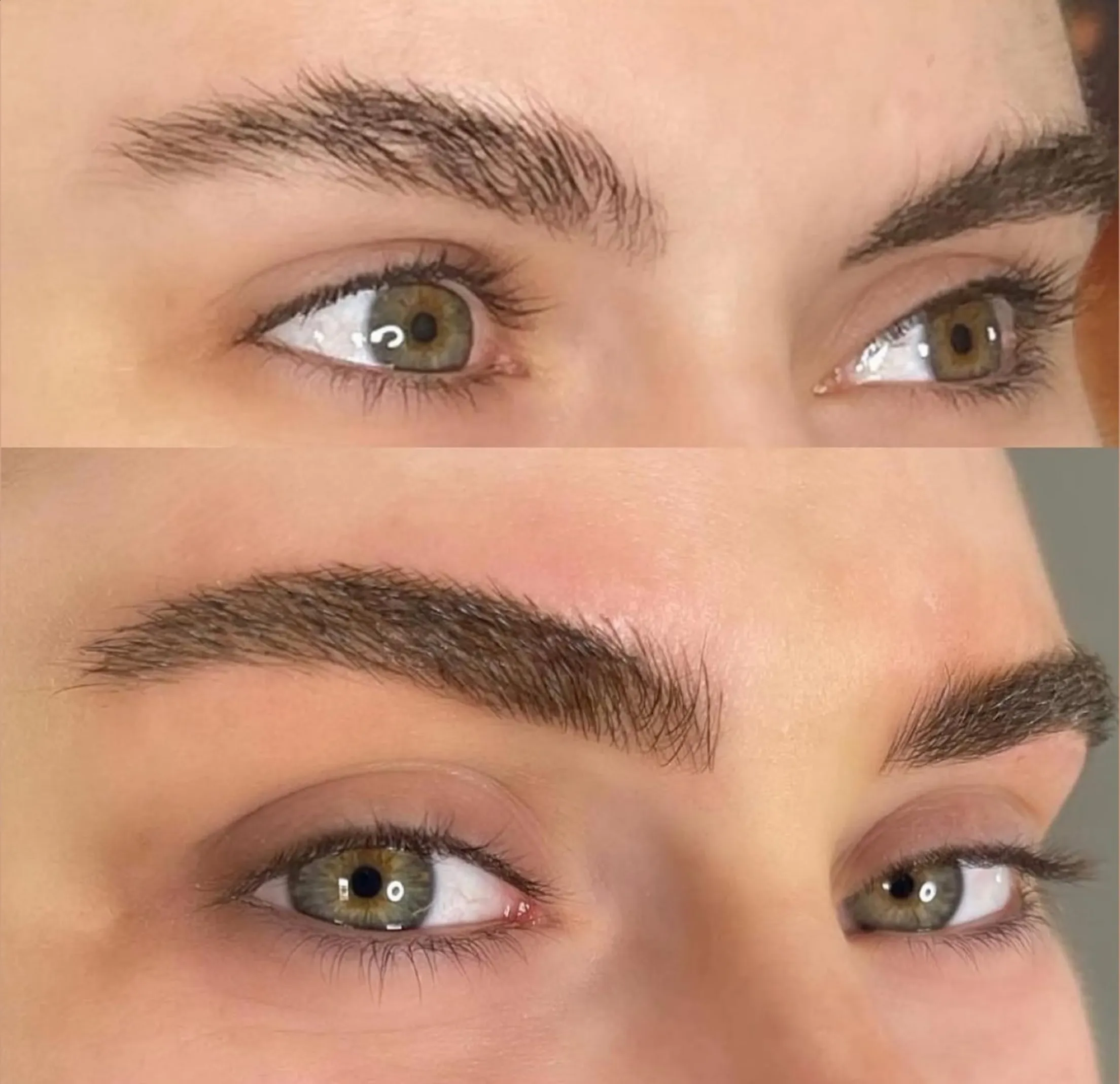
Yes the upfront investment is real. But so are the financial rewards — if you treat it like a business not a side hustle.
What Training Costs (in 2025)
| Training Level | Cost Range (AUD) | Includes |
|---|---|---|
| Beginner Course (Accredited) | $4,500 – $8,000 | Brows (machine or microblading), basics |
| Advanced Courses | $1,500 – $5,000 each | Lips, eyeliner, correction, saline removal |
| Ongoing Mentorship | $1,000+ per month | Shadowing, hands-on guidance, and feedback |
You’ll also need:
- A licence (varies by state; QLD & VIC have stricter regulations)
- Infection control certification (mandatory)
- Insurance
- A professional machine and quality products & pigments ($2,000+ to start)
- Disposable tools and PPE
Expect to invest $10K to $15K minimum before you even take on paying clients.
Time Commitment
Learning proper technique takes months, not weekends. Healing patterns, skin undertones and colour migration aren’t things you can master overnight. Most experienced artists spend 6–12 months in practice mode before they feel truly confident. Formal training is only the start — comprehensive training continues as trends evolve.
The best cosmetic tattoo artists continue their education well beyond their first certificate. Many do multiple cosmetic tattoo courses to stay ahead of new pigment lines, colour theory shifts and client needs.
Earning Potential
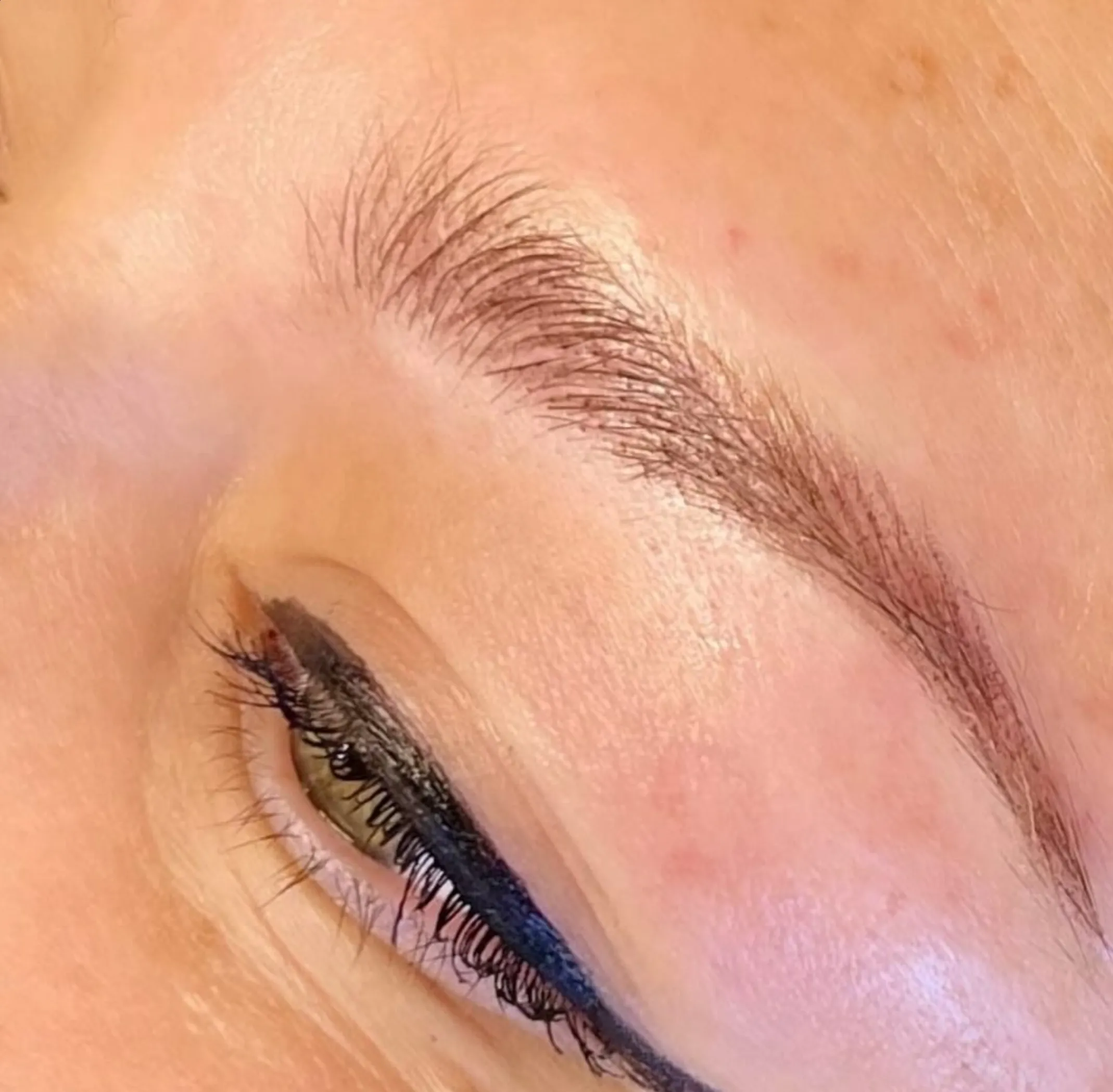
Let’s be real: yes, PMU artists can earn a six-figure salary. But it depends on your skill, reputation and how you run your business. Freelance technicians and independent artists often structure their own bookings and pricing, with flexibility that attracts many.
| Treatment Type | Average Price (AUD) | Bookings per Week | Weekly Income |
| Brows | $550 | 5 | $2,750 |
| Lips | $650 | 2 | $1,300 |
| Eyeliner | $450 | 1 | $450 |
That’s $4,500 per week before expenses. Realistically, take-home may be closer to 60% after tax, supplies, rent and marketing. Still a good career — and room to grow if you scale into teaching, training or product development.
Challenges to Be Ready For
You’re tattooing someone’s face. People cry. People panic. People love it so much they bring you flowers. Client interactions require empathy, patience and professionalism. Managing client experience well can set you apart.
Healing Isn’t Always Predictable
Even with the best technique, a client’s skin, medications, aftercare or immune system can affect healed results. Touch-ups are part of the job. So is managing expectations when pigment heals too cool or fades fast.
Regulation and Hygiene
Standards are tightening. Expect audits, council inspections and new requirements around infection control. That’s a good thing — but you’ll need to stay current with industry trends and local health regulations.
Career Growth: Beyond Brows
Many artists open their own beauty salons or boutique studios giving them more control over bookings, branding and income. Just know this means switching hats between artist, manager and marketing director.
Training and Education
If you love teaching, experienced professionals can become directors of education, run workshops, create online tattoo eyebrow courses or mentor incoming artists. Cosmetic Tattoo Melbourne Studio Face Figurati is a great example — known for developing skilled cosmetic tattooists through industry leading cosmetic tattoo courses.
Expanding into Advanced Aesthetics
Some PMU artists move into medical procedures like areola restoration, scalp micropigmentation or advanced eyeliner styles. These require comprehensive education but open doors to new clientele and a wide range of beauty services.
Final Thoughts
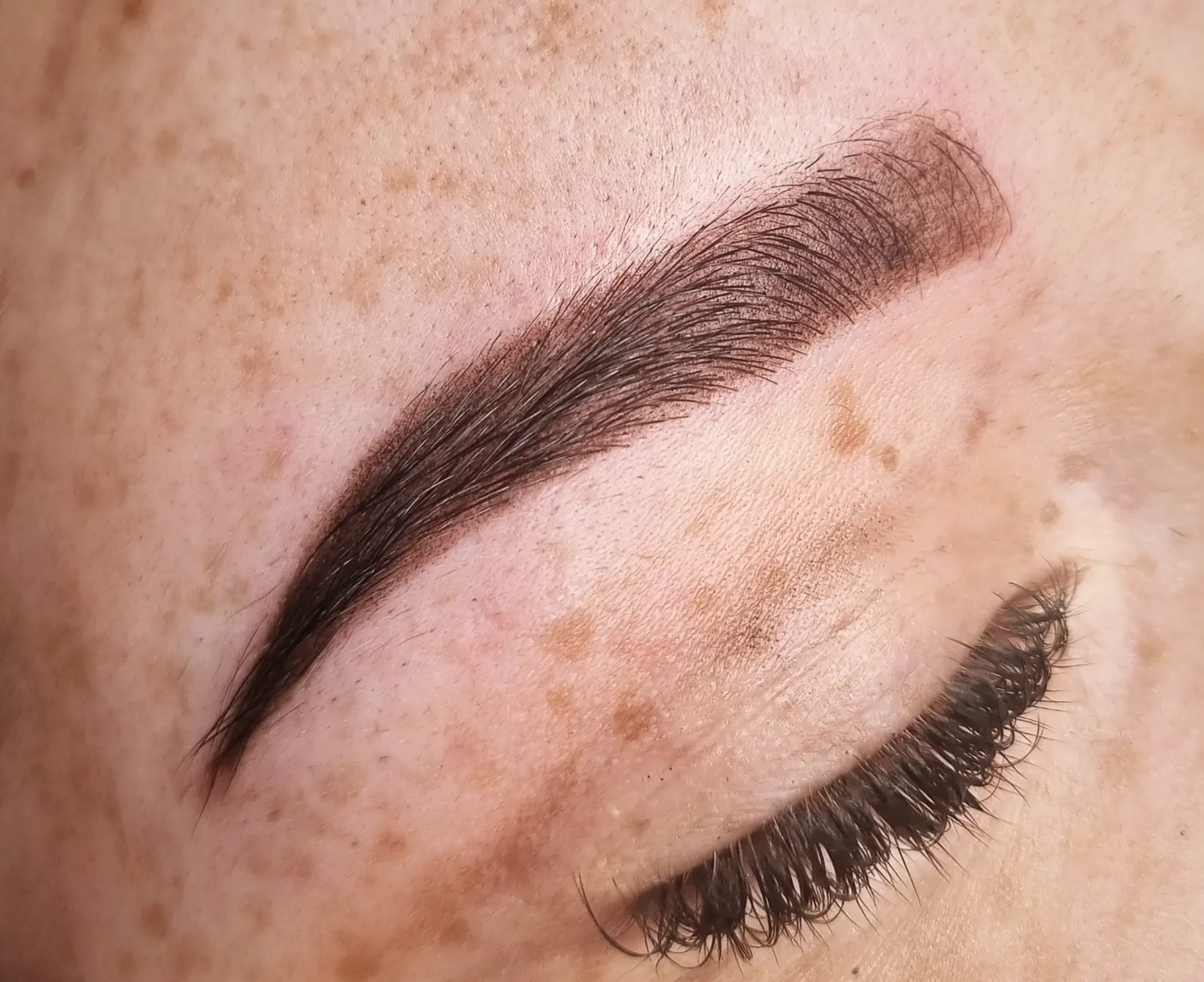
Yes — but not for everyone.
If you want a flexible career that offers many benefits, impact on clients and space to grow your beauty business, it’s a good career choice. A passion for beauty, proper training and commitment to high-quality results are what make this a lucrative career.
But if you’re looking for easy money, fast fame or no-risk gigs? This probably isn’t it.
Like any career worth building, it takes grit, guidance and a solid foundation in the basics.
Curious about where to start? Get in touch. I’m always happy to chat about training paths, market trends and what it’s really like behind the studio doors.
FAQ
Do I need a beauty background to start in permanent makeup?
No, but it helps. A background in brows, lashes or skin can give you a head start with face shape analysis, hygiene and client care. But many successful technicians come from art or design backgrounds too.
How long does it take to get good at cosmetic tattooing?
Most artists need 6 to 12 months of regular practice (often on models or latex skins) before they feel confident with real clients. Ongoing training and touch-ups on healed work are key.
Is permanent makeup painful for clients?
Mild discomfort, yes — especially on lips and eyes. But with proper numbing agents and good technique, most clients rate it as tolerable. You’ll learn pain management techniques during your training.
Can I do cosmetic tattooing from home?
Only if your home setup meets council health standards. You’ll need a separate treatment room, infection control protocols and often an inspection/licence. Many freelance technicians start renting a room in a salon instead.
What should I look for in a cosmetic tattoo course?
Look for accredited trainers, live model work, post-course support and transparent pricing. Avoid courses that promise “certification in 2 days” with no real practice — that’s not enough to prepare you for real clients. Always opt for a training centre known for producing confident cosmetic tattoo artists, like Face Figurati.